
Multi-Year Protection Applied Once, Done Right
Ceramic Coating in Wall Township for Monmouth and Ocean County, New Jersey vehicles parked outdoors or stored seasonally
Monmouth and Ocean County, New Jersey vehicle owners who park outdoors or store seasonally get measurable return on investment from a two-to-five-year ceramic coating versus waxing every six weeks. Ceramic coatings create a permanent hydrophobic layer that bonds chemically to the clear coat, providing UV resistance, contamination repellency, and oxidation protection that wax cannot deliver. Tino's Suds Mobile Detailing completes paint correction and panel prep before every coating application—no ceramic is applied over swirls, oxidation, or contamination—because coating over defects locks those defects in place for the life of the coating.
Paint correction removes surface defects like swirl marks, light scratches, and water spot etching before the coating is applied, ensuring the finish underneath is flawless. Panel prep follows correction, using a solvent-based cleaner to remove polishing oils and residual contamination so the coating bonds directly to clean clear coat at the molecular level.
Request a ceramic coating consultation to evaluate your paint condition and determine the prep work required.
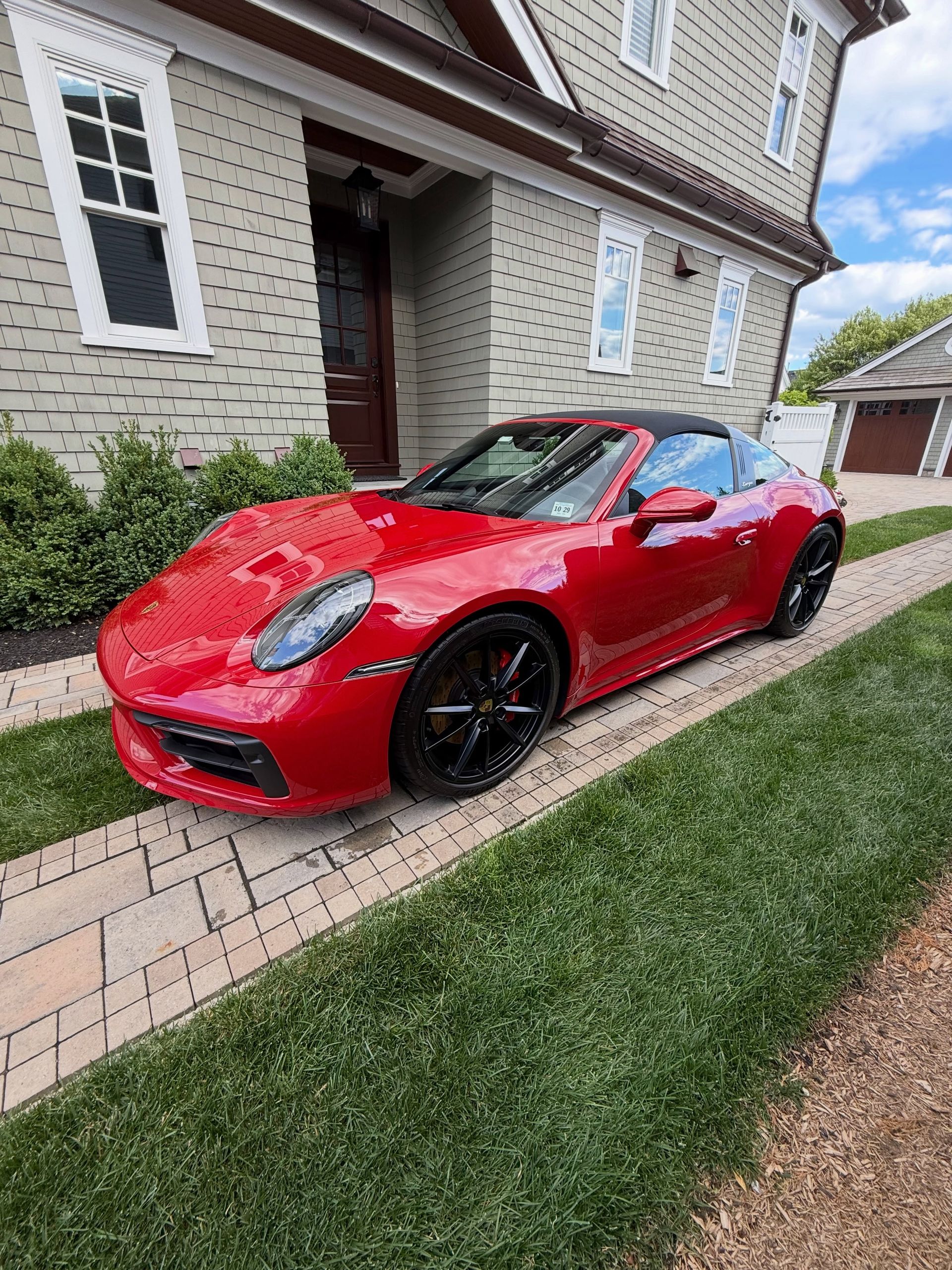
Why Prep Work Determines Coating Performance
Ceramic coatings bond permanently to whatever surface they are applied over, which means defects, contamination, and oxidation become locked beneath the coating layer if prep is skipped or rushed. Paint correction ensures the surface is smooth and defect-free before coating, and panel prep ensures the coating bonds to paint instead of sitting on top of oils or residue. Quick-coat competitors skip these steps because they add time and cost, but the result is a coating that fails prematurely or traps visible defects that cannot be removed without stripping the coating entirely.
After coating cures, water beads tightly and sheets off panels with minimal effort, dirt and salt residue rinse away without scrubbing, and UV exposure no longer degrades the clear coat at the accelerated rate typical of Monmouth and Ocean County, New Jersey conditions. The paint maintains depth and gloss for years instead of fading to a dull, chalky finish within months of outdoor exposure.
Ceramic coating is applied at your location with mobile equipment, but curing requires the vehicle to remain dry and covered for a specified period after application—typically 24 to 48 hours depending on temperature and humidity. The coating reaches full hardness within seven days, after which normal washing can resume using pH-neutral soap and avoiding automatic brush washes that degrade the coating surface over time.
Common Questions About This Service
Wall Township vehicle owners frequently ask about ceramic coating durability and the prep process required before application.
What is paint correction and why is it required before ceramic coating?
Paint correction uses compound and polish to remove swirl marks, light scratches, oxidation, and water spot etching from the clear coat, creating a flawless surface—ceramic coating applied over defects locks those defects in place permanently.
How does ceramic coating compare to waxing in Monmouth and Ocean County, New Jersey conditions?
Ceramic coating lasts two to five years with proper maintenance and provides superior UV and salt resistance, while wax degrades within six to eight weeks in Shore-area exposure and requires constant reapplication to maintain protection.
Why does ceramic coating cost more than traditional wax or sealant products?
The cost reflects the labor-intensive prep process—paint correction, decontamination, and panel prep—required before application, plus the durability and performance of the coating itself, which eliminates repeat wax cycles for years.
Can ceramic coating be applied to a vehicle with existing clear coat damage?
Coating can be applied over damaged clear coat, but it will not hide or repair the damage—deep scratches, heavy oxidation, and rock chips remain visible beneath the coating unless corrected through paint correction or respraying first.
How should a ceramic-coated vehicle be maintained to maximize coating lifespan?
Use pH-neutral soap for washing, avoid automatic brush washes that scratch the coating surface, and rinse thoroughly to remove salt residue before it sits on the coating—proper maintenance extends coating durability significantly in Shore-area conditions.
Tino's Suds Mobile Detailing applies ceramic coating at your Wall Township location after completing full paint correction and prep work, ensuring the coating bonds correctly and lasts. Book a consultation to review your paint condition and discuss coating options.