Interiors Cleaned After Moisture Intrusion
Mold Removal in Wall Township for vehicles with water damage, prolonged storage, or humidity-related growth
Mold growth inside a vehicle creates visible staining on upholstery and carpets, releases musty odors that linger even after airing out the interior, and often appears after sunroof leaks, door seal failures, or extended storage in humid environments. Addressing mold promptly prevents the spores from spreading deeper into foam padding and HVAC systems where removal becomes significantly more difficult. Tino's Suds performs Vehicle Mold Removal in Wall Township by targeting affected carpets, upholstery, floor mats, and trim surfaces using thorough cleaning methods designed to restore interior cleanliness and reduce visible contamination. The service is particularly beneficial for vehicles that have experienced water intrusion from weather events, spills that weren't dried properly, or long-term storage without climate control.
Mold develops when moisture remains trapped in porous materials like carpet padding or fabric seats, creating the damp conditions necessary for spore colonization. The removal process involves identifying moisture-prone areas, extracting embedded contaminants from affected surfaces, and cleaning visible mold growth from seat fabrics, floor carpets, and door panels. Any remaining moisture is addressed to help reduce conditions that allow regrowth, though underlying leaks or ventilation issues must be repaired separately to prevent recurrence.
Request a mold removal inspection to evaluate contamination levels and receive a treatment plan tailored to your vehicle's interior condition.
How Mold Removal Addresses Interior Contamination
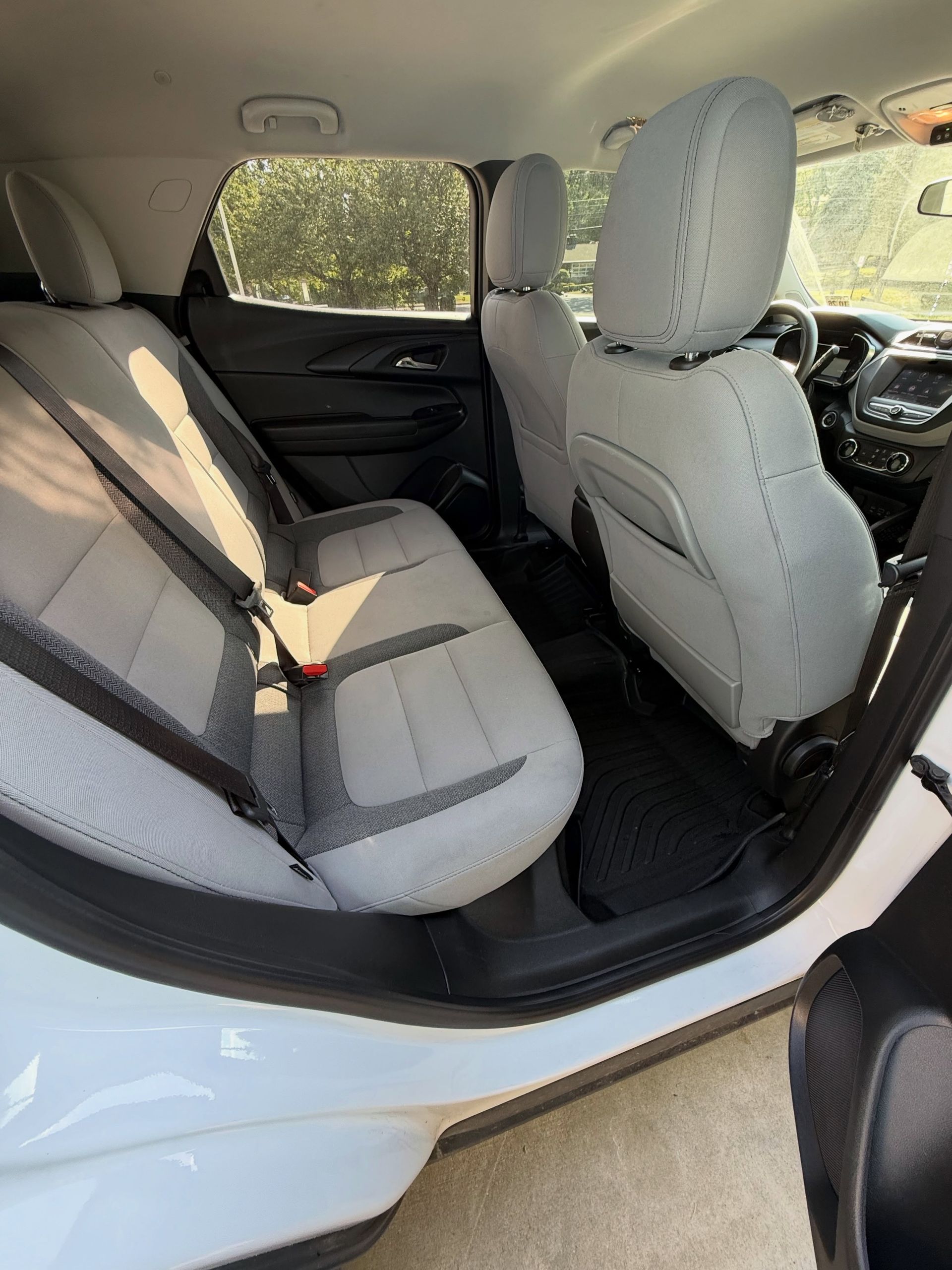
The cleaning process starts with a detailed inspection of carpets, seat bases, trunk liners, and areas beneath floor mats where water typically pools after leaks or spills. Affected surfaces are treated with cleaning solutions formulated to break down organic growth, followed by extraction methods that pull moisture and loosened contaminants from deep within fabric and padding layers. Hard surfaces like door trim, dashboard components, and plastic panels are wiped down to remove surface mold that spreads from soft materials during humid conditions.
After mold removal, you'll notice the elimination of visible staining on upholstery and carpets where dark patches or discoloration previously indicated active growth. The musty odor that permeated the cabin diminishes significantly as spores and organic residue are extracted from porous materials, making the interior more comfortable for passengers sensitive to air quality issues. Surfaces feel cleaner to the touch, and the overall appearance improves as staining fades and fabrics return closer to their original color and texture.
Mold removal is most effective when combined with repairs to the moisture source, whether that involves replacing worn weatherstripping, resealing sunroof drains, or fixing HVAC condensation leaks that allow water to accumulate inside the cabin. Vehicles stored outdoors, parked near coastal areas with high humidity, or left unused for extended periods face greater mold risk and benefit from preventive cleaning even before visible growth appears.
Answers to Frequent Service Questions
Vehicle owners facing mold contamination often have concerns about treatment effectiveness and the steps involved in restoring interior cleanliness.
What causes mold to grow inside vehicles in Wall Township?
Mold develops when moisture from leaks, spills, or humidity becomes trapped in carpets and upholstery, creating damp conditions that support spore growth, particularly during New Jersey's humid summer months or after winter snow melt.
How long does mold removal take for a full interior?
Treatment duration varies based on contamination severity and affected areas, with most vehicles requiring two to four hours for thorough cleaning of carpets, seats, and accessible interior surfaces.
Will mold come back after cleaning?
Mold can return if the underlying moisture source isn't repaired, as spores remain dormant in materials and reactivate when dampness recurs, making leak repair essential for long-term prevention.
Can mold damage be completely reversed?
Cleaning removes visible growth and improves appearance, but severe mold infestations may permanently stain fabrics or degrade foam padding beyond what surface cleaning can restore, sometimes requiring material replacement.
Why does the smell persist even after visible mold is gone?
Odor lingers when spores remain embedded deep in seat foam, carpet padding, or HVAC ducts that aren't accessible during standard cleaning, requiring additional ventilation system treatment or material replacement in severe cases.
Tino's Suds approaches mold contamination with detailed surface cleaning and moisture extraction techniques that target visible growth and improve interior conditions. Schedule a vehicle mold removal service to address contamination and restore a cleaner cabin environment.