Interiors That No Longer Smell Damp
Steam Cleaning in Wall Township for fabric and vents breeding mildew in Shore humidity
High-temperature steam sanitizes vehicle interiors without soaking fabric, eliminating odor at the source rather than masking it with sprays or hanging fresheners that wear off within days. Shore humidity breeds mold and bacteria in fabric, carpet, and HVAC vents of vehicles left closed between trips or stored off-season, creating the musty smell that returns no matter how many times you vacuum or wipe surfaces. Tino's Suds Mobile Detailing uses dry steam that kills bacteria and lifts embedded grime without leaving your seats wet for hours, and you'll notice the difference immediately when you open the door and no longer smell that damp, closed-up odor.
The process directs superheated steam into fabric fibers, carpet backing, and HVAC vent grilles where bacteria and mold spores thrive in humid conditions, breaking down organic buildup and sanitizing surfaces without chemical residue. Dry steam means minimal moisture absorption, so seats and carpet are ready to use within minutes rather than requiring overnight drying.
Request an interior assessment to identify which areas of your vehicle need steam sanitization and odor elimination.
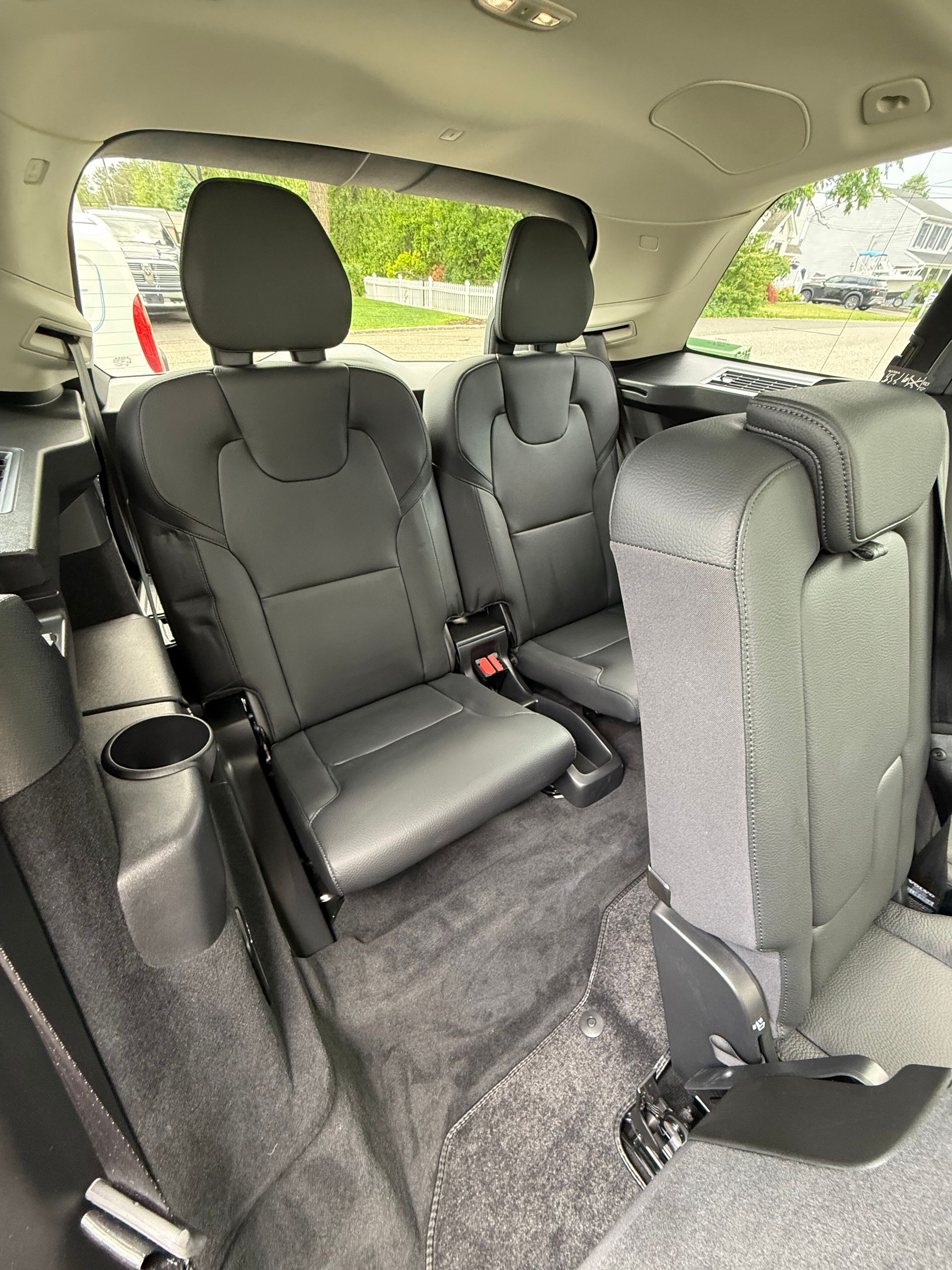
How Steam Eliminates Odor Without Soaking Fabric
Dry steam uses high temperature and low moisture to penetrate fabric and kill odor-causing bacteria without saturating padding or carpet backing. Traditional wet extraction soaks materials and requires extended drying time, often leaving residual dampness that encourages mildew regrowth in Shore humidity, while steam sanitizes and evaporates quickly.
After the steam treatment finishes, your interior smells neutral instead of musty, and fabric seats no longer feel clammy or damp when you sit down. The hygienic approach addresses mildew, pet odor, and seasonal bacteria buildup that accumulates faster in Wall Township and nearby coastal areas where vehicles sit closed in humid parking spots.
Steam cleaning sanitizes surfaces and eliminates odor—it does not repair torn upholstery, fix stained leather, or remove dye transfer from fabric. This service focuses on hygiene and odor control rather than cosmetic restoration.
Common Questions About Steam Sanitization
Vehicle owners dealing with persistent interior odors often want to know how steam cleaning differs from traditional shampooing and extraction methods.
What's the difference between steam cleaning and shampooing my seats?
Shampooing uses water and detergent that soaks into padding and requires hours of drying, while steam uses superheated vapor that sanitizes without saturating materials—cleaner results with faster turnaround.
Why do Monmouth and Ocean County, New Jersey vehicles develop mildew smell faster than cars kept inland?
Humidity in Wall Township and surrounding coastal areas creates ideal conditions for mold and bacteria growth in closed interiors, especially when vehicles sit unused between weekend trips or during off-season storage.
Can steam cleaning remove pet odor from carpet and seats?
High-temperature steam kills the bacteria that cause pet odor rather than masking the smell with fragrance, eliminating the source of the problem and preventing it from returning as quickly as surface treatments.
How long does it take for my interior to dry after steam cleaning?
Dry steam delivers minimal moisture, so most fabric and carpet surfaces are ready to use within 15 to 30 minutes rather than the several hours required after wet shampooing.
Will steam cleaning damage leather or vinyl surfaces?
Steam temperature is controlled to sanitize without overheating delicate materials—leather and vinyl receive lower-temperature passes appropriate for their heat tolerance, cleaning safely without causing cracking or discoloration.
Tino's Suds Mobile Detailing brings the steam equipment to your location, completing the sanitization work without requiring you to drop off your vehicle or wait for wet interiors to dry. Book a steam cleaning appointment to eliminate mildew and bacteria buildup caused by Monmouth and Ocean County, New Jersey humidity.