
Protection That Brings Out Natural Depth
Hand Wax in Wall Township for vehicles needing gloss enhancement and paint protection between detailing appointments
Water stops beading on a vehicle's paint after a few weeks of exposure to road salt, UV radiation, and environmental contaminants common along New Jersey roadways, signaling that protective layers have worn away and the clear coat is absorbing grime directly. Premium wax applied by hand creates a sacrificial barrier that sheds water, resists contamination, and maintains the deep gloss that makes paint look freshly detailed. Tino's Suds applies Hand Wax in Wall Township using careful hand application techniques that ensure even coverage across every painted panel, preparing daily drivers, luxury vehicles, and classic cars for weeks of improved surface protection.
Hand waxing differs from machine application in the level of control over product placement, allowing technicians to work wax into body lines, around trim pieces, and along edges where automated buffers often miss coverage or leave product buildup. The wax is worked into the paint in thin, overlapping passes, then buffed to a high shine once it hazes, leaving a smooth finish that repels water and makes routine washing faster by preventing dirt from bonding to the clear coat.
Book a hand wax appointment to add a protective layer that maintains your vehicle's appearance through daily driving conditions.
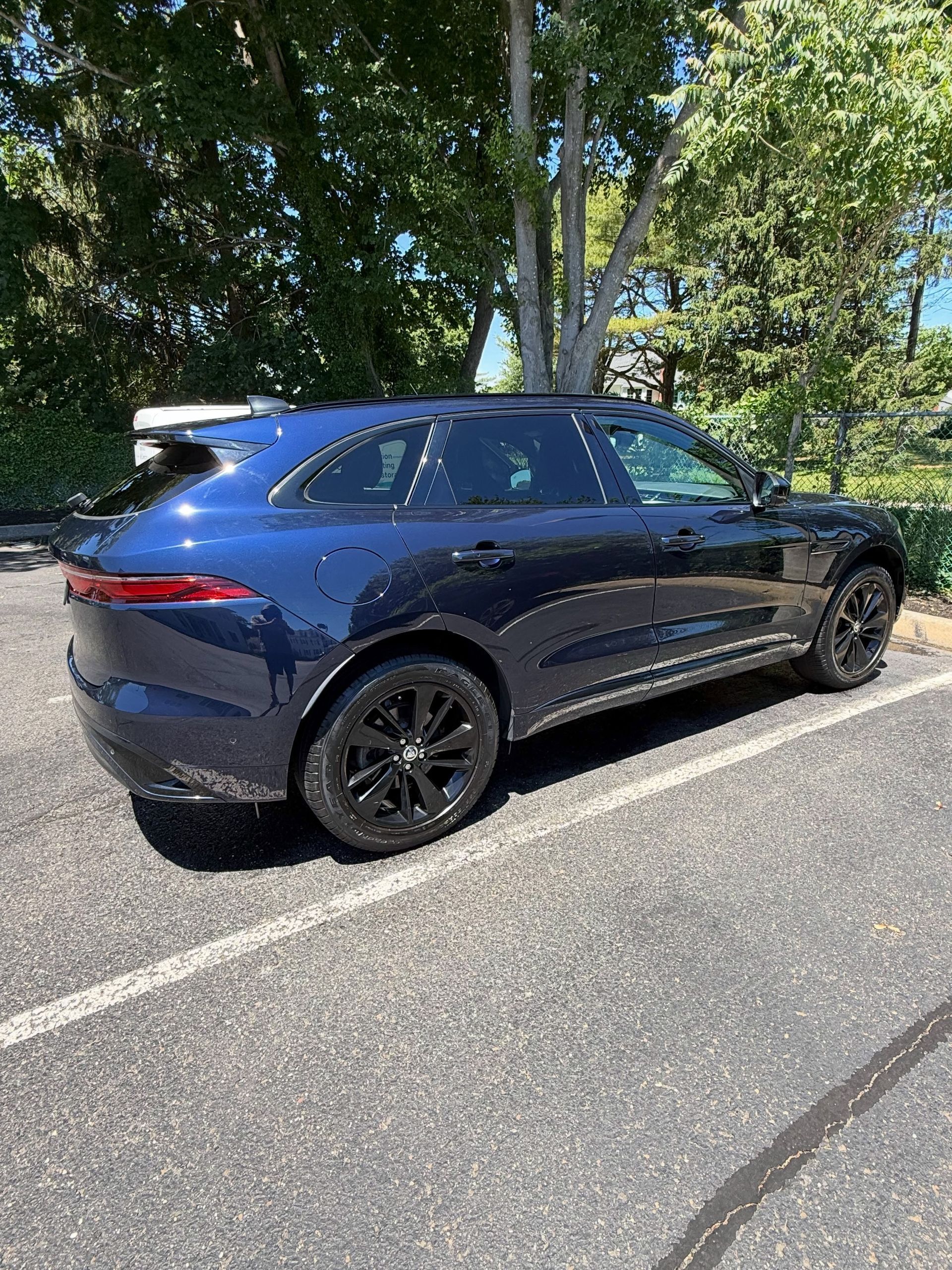
Why Hand Application Works for Surface Protection
Wax application begins with a clean, decontaminated surface to ensure the product bonds properly rather than sealing in dirt or previous residue that could dull the finish. Premium carnauba-based wax is spread evenly across painted surfaces using foam applicators that control thickness and prevent streaking, with special attention given to horizontal panels like hoods and roofs that receive the most UV exposure and water accumulation. Each section is buffed after curing to remove haze and reveal the gloss beneath.
After hand waxing, you'll notice water forming tight beads that roll off the surface rather than spreading into sheets that leave water spots and mineral deposits. The paint develops a warmer, deeper shine compared to unwaxed finishes, with reflections appearing sharper and colors looking more saturated under direct sunlight. Routine washing becomes noticeably easier as dirt and grime sit on top of the wax layer instead of embedding into the paint's porous surface, reducing the scrubbing needed during maintenance washes.
Hand wax is an excellent maintenance option between major paint correction sessions or ceramic coating applications, extending the life of previous detailing work without requiring multi-step machine polishing. Vehicles kept outdoors, driven daily, or exposed to harsh weather benefit from the added UV protection and contamination resistance that wax provides, particularly during winter months when road salt accelerates paint deterioration.
Common Questions About This Service
Property owners in Wall Township often ask about wax durability and application timing when planning their vehicle maintenance schedule.
How long does hand wax protection last on a daily driver?
Most premium waxes provide two to three months of protection under normal driving conditions, though exposure to automated car washes, road salt, and extended sun exposure can shorten durability.
What's the difference between hand wax and ceramic coating?
Wax is a temporary sacrificial layer that wears away and requires reapplication, while ceramic coatings bond chemically to paint and last years, though wax costs significantly less and can be applied more frequently.
Can wax be applied over existing sealant or coating?
Wax can layer over most sealants without issue, but applying it over ceramic coatings reduces the coating's hydrophobic properties and is generally not recommended unless the coating has degraded.
Why does wax sometimes leave white residue in trim?
Excess wax that contacts plastic trim or rubber seals dries as a white haze because these materials don't absorb the product like paint does, requiring careful application near edges or immediate removal from non-painted surfaces.
When is the best time to apply wax after washing?
Wax should be applied to a completely dry surface in moderate temperatures, avoiding direct sunlight or cold conditions that prevent proper curing and bonding to the paint.
Tino's Suds applies hand wax with the same attention to detail used in full detailing packages, ensuring even coverage and long-lasting protection. Schedule a hand wax service to restore gloss and improve water beading on your vehicle's painted surfaces.