Paint That Looks Wet in Sunlight
Vehicle Polishing in Wall Township for clear coat dulled by swirl marks and oxidation
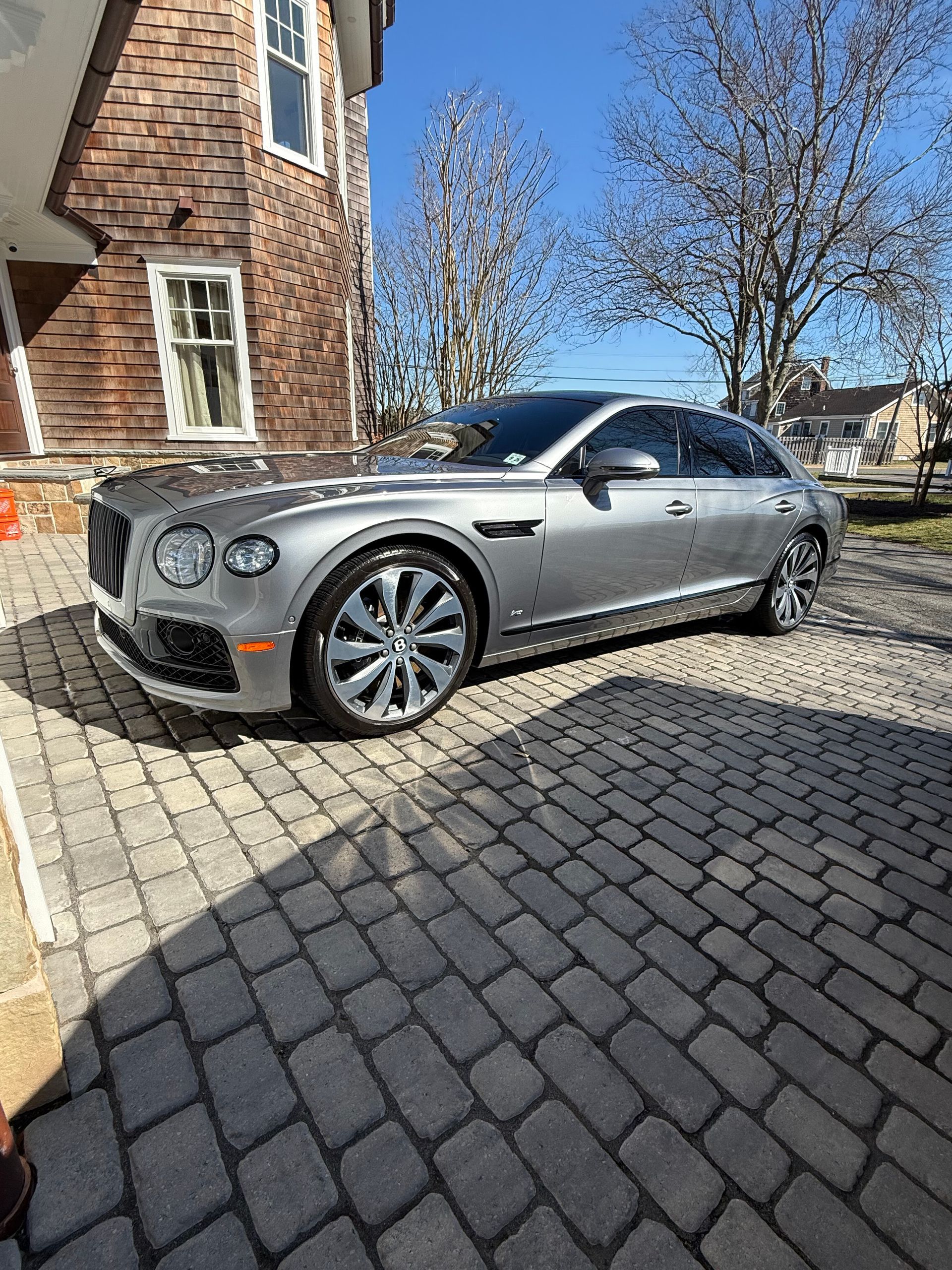
Monmouth and Ocean County, New Jersey sun and salt air cause swirl marks, water spots, and oxidation that dull paint on vehicles parked outdoors seasonally, especially those left exposed between beach trips or stored uncovered during off-season months. Tino's Suds Mobile Detailing uses machine polishing with paint depth measurement to eliminate these defects without cutting through thin clear coat—a critical step that single-pass operators skip. You'll notice restored gloss and reflective depth once the damaged layer is corrected, bringing back the wet-look shine that faded under coastal exposure.
The process involves measuring clear coat thickness with a paint depth gauge before any pad touches the surface, ensuring the correction stays within safe limits and doesn't burn through factory finish. Machine polishing then removes the oxidized top layer where swirls and etching have embedded, using compound and polish stages matched to your paint's current condition and remaining clear coat depth.
Arrange a paint evaluation to measure your vehicle's clear coat thickness and determine the appropriate correction level.
Why Paint Depth Measurement Prevents Damage
Measuring clear coat thickness before polishing tells you how much correction the paint can handle without exposing the base color layer underneath. Vehicles with thin factory clear—or those that have been polished previously—require lighter compound pressure and fewer passes, while thicker coats allow more aggressive defect removal.
Once the correction finishes, you'll see sharp reflections in body panels instead of hazy, washed-out color, and swirl marks that were visible under direct sunlight disappear entirely. The data-driven approach used by Tino's Suds ensures safe correction without the paint damage that results from over-cutting or using abrasive compounds on already-thin clear coat.
This service focuses on surface defect removal and gloss restoration—it does not include ceramic coating application or long-term sealant protection. Polishing prepares the paint for protection products but does not itself prevent future oxidation.
Questions About Paint Correction and Polishing
Vehicle owners in Wall Township often want to understand what polishing accomplishes and whether their paint can handle the process safely.
What's the difference between polishing and waxing?
Polishing removes damaged clear coat to eliminate swirls and oxidation, while waxing adds a temporary protective layer on top of existing paint—polishing corrects defects, waxing only masks them.
How do you know how much clear coat is left on my vehicle?
A paint thickness gauge measures the total paint system in microns at multiple points across panels, showing whether there's enough clear coat remaining to safely remove the defect layer without cutting into base color.
Why do swirl marks show up worse in Monmouth and Ocean County, New Jersey?
Salt air and UV exposure in Wall Township and nearby coastal areas cause clear coat to oxidize faster, making the surface more prone to marring during washing and creating the spiderweb pattern visible under direct sun.
Can you polish out deep scratches that go through the clear coat?
Polishing only corrects defects within the clear coat layer—scratches that penetrate to base color or primer require touch-up paint or refinishing rather than machine correction.
How often should I have my vehicle polished?
Most Shore-area vehicles benefit from polishing every one to two years depending on outdoor exposure and wash frequency, but measuring paint thickness at each session ensures you're not overcorrecting and thinning the clear coat unnecessarily.
Tino's Suds Mobile Detailing brings the polisher and paint gauge to your location, completing the correction work without requiring you to drop off your vehicle. Book a mobile polishing session to restore gloss and eliminate swirls caused by coastal exposure.